US Senator Queries Binance on Iran Crypto Dealings
U.S. Senator demands Binance co-chief reveal records on Iran-linked dealings, probing potential sanctions breaches and compliance with U.S. laws.
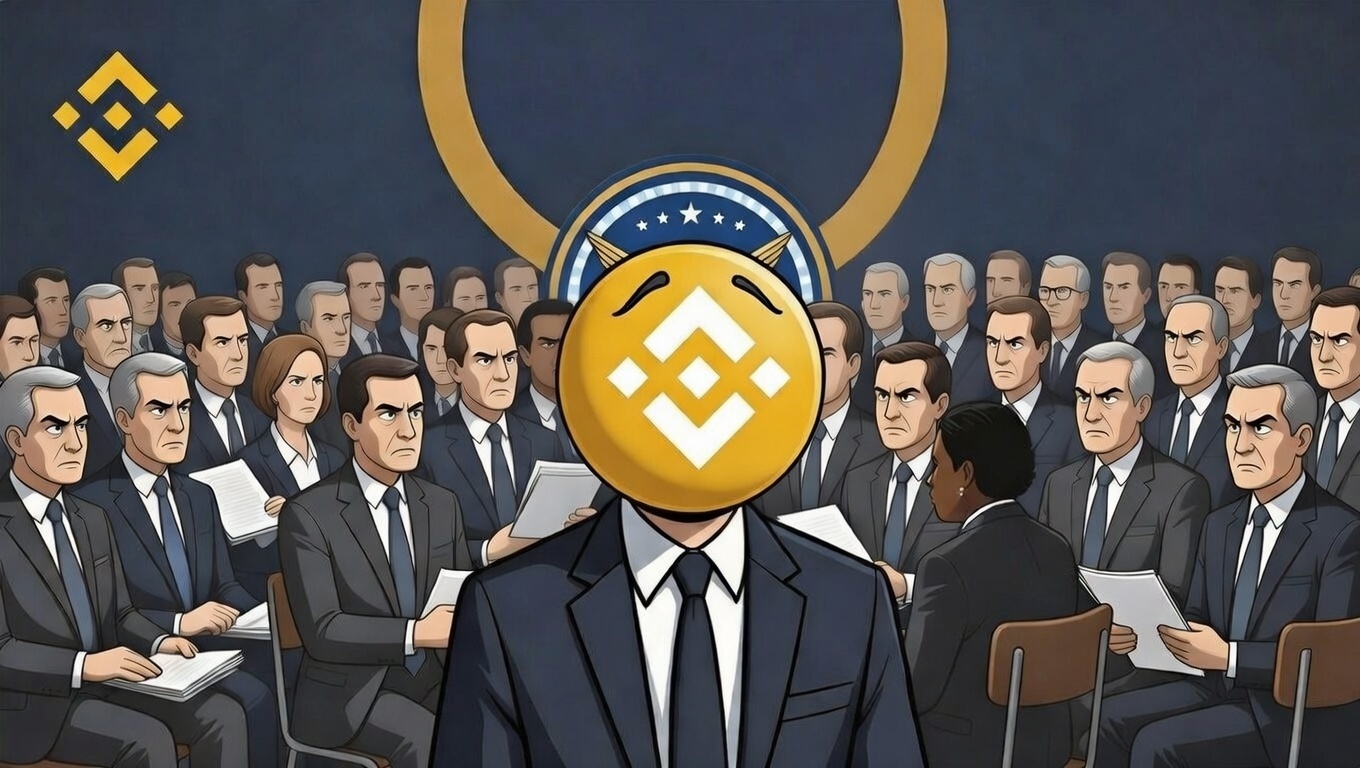
U.S. Senator Richard Blumenthal asked Binance co-chief Richard Teng for Iran-linked records.
The U.S. has strict financial rules designed to isolate its adversaries, but what if there's a digital backdoor? A formal inquiry from U.S. Senator Richard Blumenthal of Connecticut now asks if the world’s largest cryptocurrency company, Binance, may have provided that exact loophole for groups in Iran.
Senator Blumenthal, a senior lawmaker whose questions on national security and technology carry significant weight, sent a formal letter to Binance's co-chief, Richard Teng. The letter demands the company hand over its Iran-linked records, placing the crypto giant directly under a Washington microscope. Binance operates a massive cryptocurrency exchange—a global market for buying and selling digital assets like Bitcoin. Its sheer size, often processing more trading activity than entire national stock markets, is precisely what has attracted scrutiny and raised questions about its compliance with national laws.
This clash is a national security issue centered on enforcing global rules in the digital age. The stakes involve the effectiveness of U.S. sanctions and the challenge regulators face with borderless currencies.

The Power of a Sanction: Why the U.S. Restricts Business with Iran
The Senator’s concern is rooted in U.S. sanctions—powerful financial rules designed to isolate adversaries like Iran from the global economy. By severely restricting a nation's ability to trade and move money internationally, the U.S. can apply immense pressure without firing a single shot.
This financial force works because the U.S. dollar is the engine of global commerce. Since most international banks and payment systems rely on it, Washington can effectively freeze a country out of legitimate trade by cutting off its access. This makes it extremely difficult for a sanctioned entity to buy or sell goods on the world stage.
These strict rules don’t just apply to American companies; they often extend to any global firm wanting access to the U.S. market. Violating Iran sanctions can trigger crippling fines and legal action. This entire system, however, hinges on policing traditional banks, which raises a critical question about digital currencies that exist outside that control.
The Crypto Loophole: How Digital Money Can Bypass Traditional Banks
Cryptocurrency creates a potential loophole due to its fundamental design. Unlike a bank wire or credit card payment, digital currencies like Bitcoin don’t need a financial middleman to move from one person to another. They can be sent directly across the globe using nothing more than an internet connection and a "digital wallet"—a software program that holds the currency.
This creates a new pathway for moving money. Someone in Iran, blocked from using international banking, could theoretically use an exchange to convert their local currency into a cryptocurrency. That digital money could then be sent instantly from their digital wallet to another wallet anywhere in the world, bypassing the entire regulated banking network that U.S. sanctions are designed to police.
Once the digital currency arrives, it can be converted back into dollars, euros, or another traditional currency using a different crypto exchange. This three-step process—convert to crypto, transfer, and convert back to cash—is the core concern for regulators. It represents a potential shadow financial system operating parallel to the one they control.
For this reason, cryptocurrency exchanges like Binance are seen as critical chokepoints. They are the primary on-ramps and off-ramps connecting traditional money to the world of digital assets. If these gateways fail to enforce sanctions rules and verify who is using their platform, they can become tools for illicit financing.
What Are the Specific Allegations Against Binance?
The Senator's letter puts Binance on the spot, demanding concrete proof that it is not helping Iran evade sanctions. The inquiry focuses on whether Binance has the proper safeguards in place, often called anti-money laundering (AML) policies, which are rules to watch for and block suspicious transactions.
Specifically, the Senate is demanding that Binance turn over:
-
All records of transactions with Iran-linked entities.
-
Documents detailing its anti-money laundering policies.
-
Information on how it prevents U.S. users from interacting with sanctioned groups.
This inquiry doesn't come out of nowhere. Binance has a history of facing scrutiny from regulators worldwide regarding its compliance standards. The core of the allegation is not just that illicit transactions may have occurred, but that the company might lack the robust controls legally required to prevent them.
How Compliant Exchanges Work: The Rules Binance is Accused of Neglecting
Regulators' concerns become clear when compared to how strictly regulated financial firms operate. When you open a bank account, you must show your driver's license and prove who you are. This fundamental security step is where the controversy around Binance begins.
In the financial world, this identity check is known as "Know Your Customer," or KYC. It’s the first line of defense against money laundering and sanctions evasion. For a compliant crypto exchange, this means requiring users to submit official ID before they can trade, making it possible to identify and block individuals from sanctioned nations or those on government watchlists.
The central allegation is that Binance, for a long time, prioritized rapid growth over these rules, allowing users to trade with minimal verification. This approach creates the kind of anonymity that regulators see as a major red flag, potentially turning an exchange into an unintentional loophole for illicit activity.
What Happens Next and What Are the Risks?
This inquiry is more than a technical headline; it’s a flashpoint in the conflict between national governments enforcing financial borders and global crypto platforms operating without them. For Binance, the inquiry could lead to massive fines or formal investigations, signaling a potential end to loose oversight for the wider industry.
The episode highlights the risks of using non-compliant crypto exchanges, where a platform's relationship with governments can become as critical as its technology. Ultimately, the scrutiny demonstrates that for crypto firms, regulatory compliance is not a minor detail but a core foundation of security and long-term stability. The outcome will have a significant impact on government scrutiny of crypto and the industry's future.