Record U.S. Google Searches for 'Bitcoin Zero' Amid Tariffs
U.S. Google searches for 'bitcoin zero' soar post-Trump's tariff announcements, reflecting economic anxiety and a look at digital currency trends.
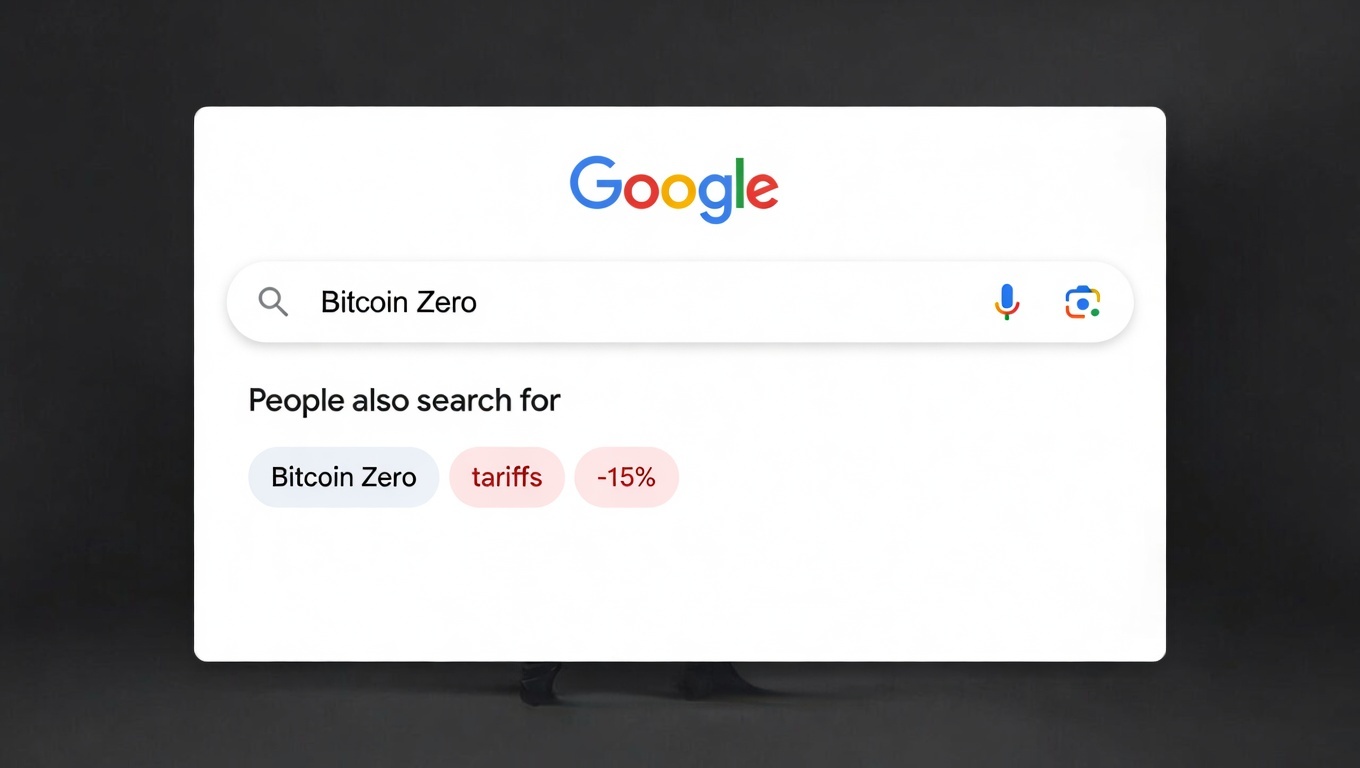
Record Spike in U.S. Google Searches for Bitcoin “Zero” Follows Trump’s Tariff Moves
A strange thing is happening on Google. In the wake of new economic policies from Washington, a record number of Americans are searching for a phrase that sounds like a worst-case scenario: "bitcoin zero."
This spike in search trends isn’t random. Data shows U.S. Google searches for "bitcoin zero" have hit a record high following President Trump's aggressive tariff announcements, revealing a hidden story about public financial anxiety. These digital currency trends often act as a real-time poll on the national mood.
So, what does this nervous search actually mean? More importantly, what does it signal about how people react when the pillars of the economy seem to shift, and why does a political decision in Washington cause them to contemplate the value of a digital currency?
How Do Tariffs Make People Nervous About Their Money?
So, what exactly is a tariff, and why does it cause so much alarm? Think of a tariff as a special tax the government places on goods imported from other countries. The goal is often to make a foreign-made product, like a smartphone or a car part, more expensive in the hope that consumers will buy American-made alternatives instead.
Unfortunately, these actions can trigger what experts call a “trade war.” This is a back-and-forth cycle where other countries retaliate by putting new taxes on American exports. This tit-for-tat can make a wide range of products more expensive for everyone, disrupting the normal flow of business and raising prices on everything from groceries to electronics.
This instability creates a powerful feeling economists call economic uncertainty. It’s the nagging worry that comes when the normal rules of the economy seem to be changing. When people can’t predict the stability of traditional investments like the stock market, they start to question the safety of their own money, leading some to look for financial shelter in unusual places.

What is 'Digital Gold'? Why Some People See Bitcoin as a Safe Haven
During periods of financial anxiety, investors often seek out a “safe haven asset.” This is an investment that’s expected to hold or even increase its value while the rest of the market is rocky. For centuries, the world’s most famous safe haven has been gold. It’s a physical, tangible asset that people trust in a crisis.
The reason gold has earned this trust comes down to two simple traits. First, it's rare; you can’t just print more of it. Second, its value isn’t tied to the decisions of any single government or bank. This independence gives it a sense of stability when national currencies and stocks seem shaky.
Following this logic, a growing number of people have begun to view Bitcoin as a kind of “digital gold.” While you can't hold it in your hand, it was designed to share those same two key traits. There is a strictly limited supply of Bitcoin that will ever exist, creating digital scarcity. Furthermore, it operates on a global network, meaning no single country or central bank is in control.
For those worried about trade wars and government policies devaluing their money, this digital alternative can seem appealing. They see it as a modern shelter from economic storms. However, this idea is far from universally accepted and sits in direct opposition to the fear driving searches for “bitcoin zero.”
What Does 'Bitcoin Zero' Actually Mean?
"Bitcoin zero" isn't a new product; it’s shorthand for the ultimate fear that its price could fall to nothing. Unlike a stock, which represents ownership in a company with real assets, Bitcoin’s value is based entirely on what people believe it’s worth. If that confidence vanished, so could its value. This deep-seated anxiety about a total loss is directly reflected in the search trends.
This creates a fascinating paradox. The same economic jitters pushing some toward Bitcoin as a "digital gold" are also driving searches about its potential to fail spectacularly. It’s like researching a powerful lifeboat while simultaneously asking, "But could this boat instantly sink?" This dual interest shows that even as people explore alternatives, they are acutely aware of the extreme risks involved.
In the end, this search trend is one of the clearest market sentiment indicators available. It reveals people are weighing a potential shield against economic uncertainty with the very real question of whether Bitcoin's price could go to zero. The spike in searches is less about Bitcoin itself and more a powerful signal of the widespread caution defining the current financial mood.
Why This Search Trend is a Powerful Economic 'Mood Ring'
Think of this Google search trend as a national mood ring for the economy. While analysts have complex charts and financial reports, this data offers something far more direct: a real-time glimpse into public feeling. A "market sentiment indicator" measures the collective emotion of the crowd, whether it's greed, confidence, or, in this case, anxiety. The spike in searches for "bitcoin zero" isn’t a technical prediction; it’s a raw, unfiltered signal of widespread economic worry.
What this particular mood reveals is a subtle but growing distrust in traditional financial stability. When people begin to question the safety of things they’ve long taken for granted, like the strength of the dollar or the stock market, they start looking for alternatives. This search trend shows they’re so concerned that they’re willing to explore uncharted territory—even an asset they simultaneously fear could become completely worthless. It’s a clear sign of people looking for a financial fire escape.
Ultimately, it’s crucial to separate this wave of public curiosity from the actions of professional investors. While everyday people are Googling their anxieties, large financial firms operate on different timelines and with different goals. This gap shows that the "bitcoin zero" trend is less of a financial forecast and more of a powerful social indicator. It tells a story not about where Bitcoin is going, but about the rising economic unease on Main Street.
Reading Between the Economic Headlines
What might have once seemed like niche jargon—a link between tariffs and Bitcoin—is now a clear signal of public anxiety. We can trace the line from a political announcement to economic fear, and see how that fear appears in what people search for online. This unease drives people to seek stability, even in volatile places.
The next time you see a strange financial trend, consider the underlying emotion driving the story. Is it hope, fear, or confusion? Starting there offers a deeper way to interpret the news, revealing the human element behind the economic headlines.