GD Culture's Bitcoin Sale: Funding Strategic Share Buybacks
GD Culture, a bitcoin treasury firm, is selling its BTC holdings to fund share buybacks, demonstrating strategic crypto asset management and corporate growth.
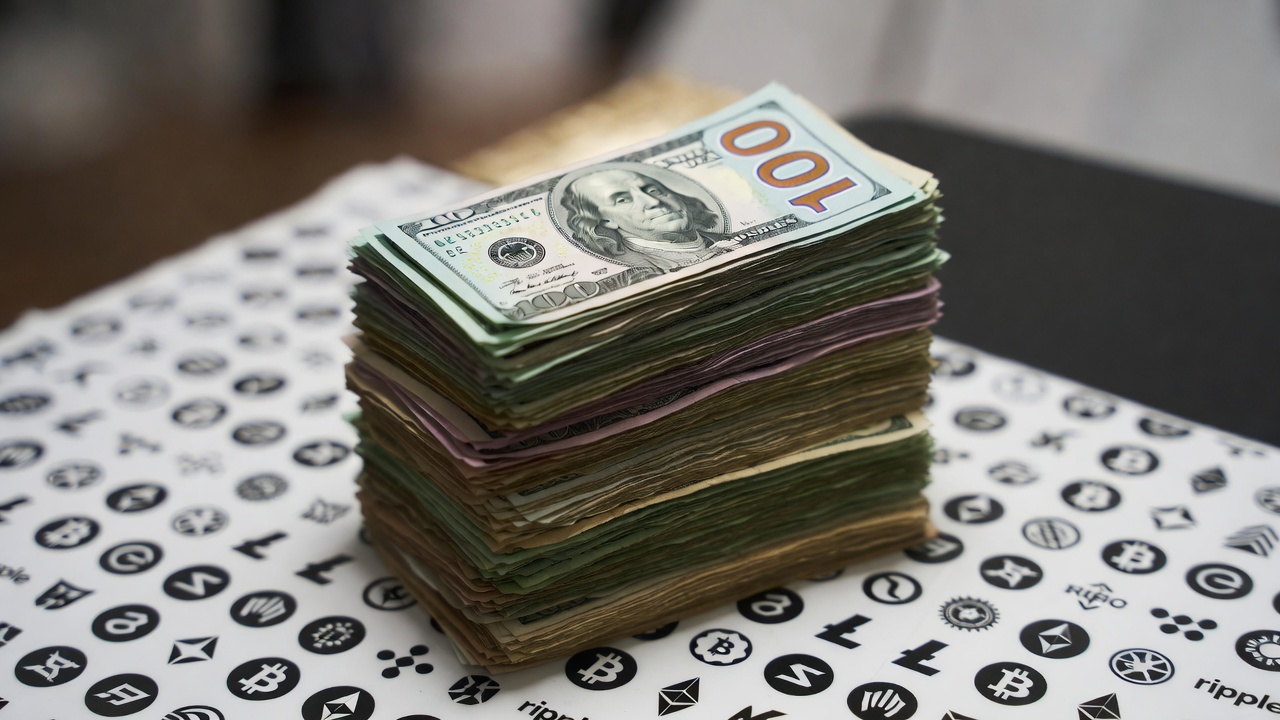
Bitcoin treasury firm GD Culture set to sell BTC holdings to fund share buybacks
Imagine you bought a popular collector's item years ago, and its value skyrocketed. Now, you need cash for a big project, so you decide to sell that valuable item. A company is doing something very similar, but its “collector’s item” is Bitcoin.
GD Culture Group has announced a plan to sell some of its Bitcoin holdings to raise cash for a new share repurchase plan. This move raises questions about such bitcoin investment strategies and what they mean for a company's financial health and confidence in its own stock.
What is a "Share Buyback"? The Pizza Analogy Explained
A share buyback, also known as a share repurchase, is when a company uses its cash to buy its own stock back from investors. By doing this, the company actively reduces the number of its shares available on the open market.
To understand how share repurchases can increase shareholder value, think of the company as a large pizza. The total number of shares represents the total number of slices. If the company uses its cash to buy back and remove half of those slices, the pizza itself hasn't changed, but there are now fewer slices available. Each remaining slice automatically becomes a bigger, more valuable piece of the whole pie.
The goal is to make the remaining shares more desirable and, hopefully, increase the company's stock price. For many companies, this is a popular alternative to paying out dividends. The key challenge, however, is having enough cash on hand, which is why GD Culture is turning its digital assets into dollars for this exact purpose.
From Digital Gold to Hard Cash: Connecting the Bitcoin Sale to the Buyback Plan
A share buyback requires a mountain of cash, and for GD Culture, the source isn’t a traditional bank account. Instead, the company is turning to its digital savings—a large holding of Bitcoin that has grown in value. This is a clear example of a company using its bitcoin treasury to fund buybacks.
Think of it like selling a valuable painting to raise money for a home renovation. GD Culture is converting its Bitcoin, a digital asset, into the U.S. dollars needed for its buyback plan. This corporate crypto treasury strategy treats Bitcoin just like any other company asset, whether it’s a building or a fleet of trucks. If it has value, it can be sold for cash.
The maneuver is a clear two-step plan: first, sell the Bitcoin on the open market, and second, use that newly acquired cash to repurchase the company’s shares. It’s a modern twist on corporate finance that raises a bigger question: why would a company own Bitcoin in the first place?
Why Would a Company Even Own Bitcoin in the First Place?
For most of us, putting life savings into something as unpredictable as Bitcoin sounds risky. So, why would a company do it? The simplest reason is the hope that it will grow in value far more than cash sitting in a bank account. It’s a form of corporate investing, much like an individual might put savings into the stock market.
This approach is part of a modern corporate treasury strategy. Companies with a Bitcoin treasury are making a calculated bet that its long-term potential outweighs its short-term price swings. Instead of just protecting their cash from losing value, they are trying to actively increase the worth of their reserves.
However, not all companies with Bitcoin have the same plan. Some, like the well-known firm MicroStrategy, treat Bitcoin as their primary mission, aiming to acquire and hold as much as possible. GD Culture’s plan is different; it sees Bitcoin as a flexible asset to be sold for cash when needed. This highlights how corporate Bitcoin treasury management can vary significantly from one company to another.
Is a Company Selling Its Bitcoin a Good or Bad Sign?
When a company sells a popular asset like Bitcoin, it’s often just smart business. Think of it like selling a stock that has soared in value to lock in your profit. A company might simply be cashing in on a successful investment, turning its digital holdings back into dollars. This is a common strategy to fund new projects or strengthen a company’s finances.
However, there’s always a trade-off. By selling their Bitcoin now, a company gives up any potential for it to grow more valuable in the future. If the price of Bitcoin doubles next year, that's profit they've missed out on. It forces a choice: take the guaranteed cash today or hold on for the possibility of a bigger payday tomorrow.
Ultimately, whether selling is “good” or “bad” depends on why the company needs the money. A company selling Bitcoin to cover losses signals a different story than one selling to invest in growth. In GD Culture’s case, the company believes that using the cash for a share buyback is a better use of the money than holding the Bitcoin. The move shows confidence in its own stock over the future of its crypto holdings.
The Simple Story: A Modern Financial Strategy
The strategy behind a company selling Bitcoin for a share buyback is a logical, three-step process. First, the company turns a profitable digital asset into cash. Second, it uses that cash to invest back into its own stock by reducing the number of available shares. Finally, the goal is for the remaining shares to become more valuable, boosting the stock price.
This maneuver provides insight into a company's priorities. By choosing to sell a volatile asset like Bitcoin to buy its own stock, a company signals that it believes investing in itself offers a more stable and promising return. It is a modern financial playbook that balances digital asset profits with traditional corporate growth strategies.