European Stocks Dropped 3% Today as Middle East Tensions Spooked Markets
European stocks slid hard today after fresh headlines out of the Middle East revived a familiar fear: energy supply risk. When investors worry about oil and gas flows, they don't wait around. They sell first, ask questions later.
European Stocks Dropped 3% Today as Middle East Tensions Spooked Markets
European stocks slid hard today after fresh headlines out of the Middle East revived a familiar fear: energy supply risk. When investors worry about oil and gas flows, they don't wait around. They sell first, ask questions later.
That matters more in Europe than in many regions because the continent still relies heavily on imported energy. So when shipping lanes look less safe, prices can move fast, and stocks often follow.
Here's what moved, why it hit so broadly, and what to watch next, especially if you invest from the US.
What happened in markets, and where the losses hit hardest
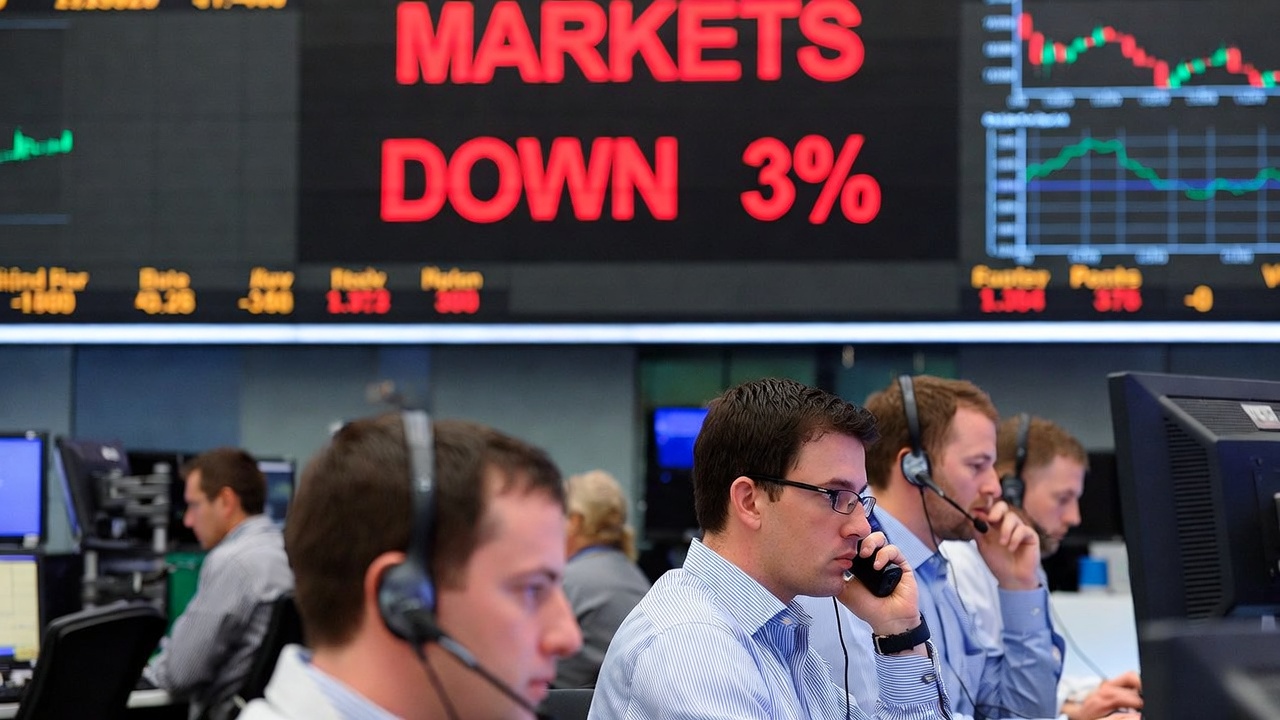
 Traders reacting to a broad market selloff in Europe, created with AI.
Risk-off trading swept across Europe as conflict risk climbed. The STOXX Europe 600 fell about 1.3% in early trading, while Germany's DE40 swung toward the sort of move that gets attention, roughly a 3% down day in the worst moments, keeping it close to 2026 lows. The key point: this kind of drop usually isn't about one earnings miss. It's broad fear, and it tends to pull down "good" and "bad" companies together.
Coverage of the day's slide highlighted how quickly geopolitics can hit prices, especially through energy and inflation expectations, as described in Reuters' market report on the selloff.
A 3% index drop often signals a macro shock, not a sudden change in company quality.
The quick scoreboard: key indexes and standout sectors
Banks led the fall, down about 2.6% in the session, as traders cut risk. Luxury and auto names also sank, while industrials slipped with the growth outlook. Energy shares rose because higher oil prices boost cash flow, at least near-term. Meanwhile, parts of the shipping world held up better as freight uncertainty can push rates higher. Mixed moves like this happen because one headline can hurt demand while helping a few "price up" sectors.
Why Middle East tensions shook Europe more than usual
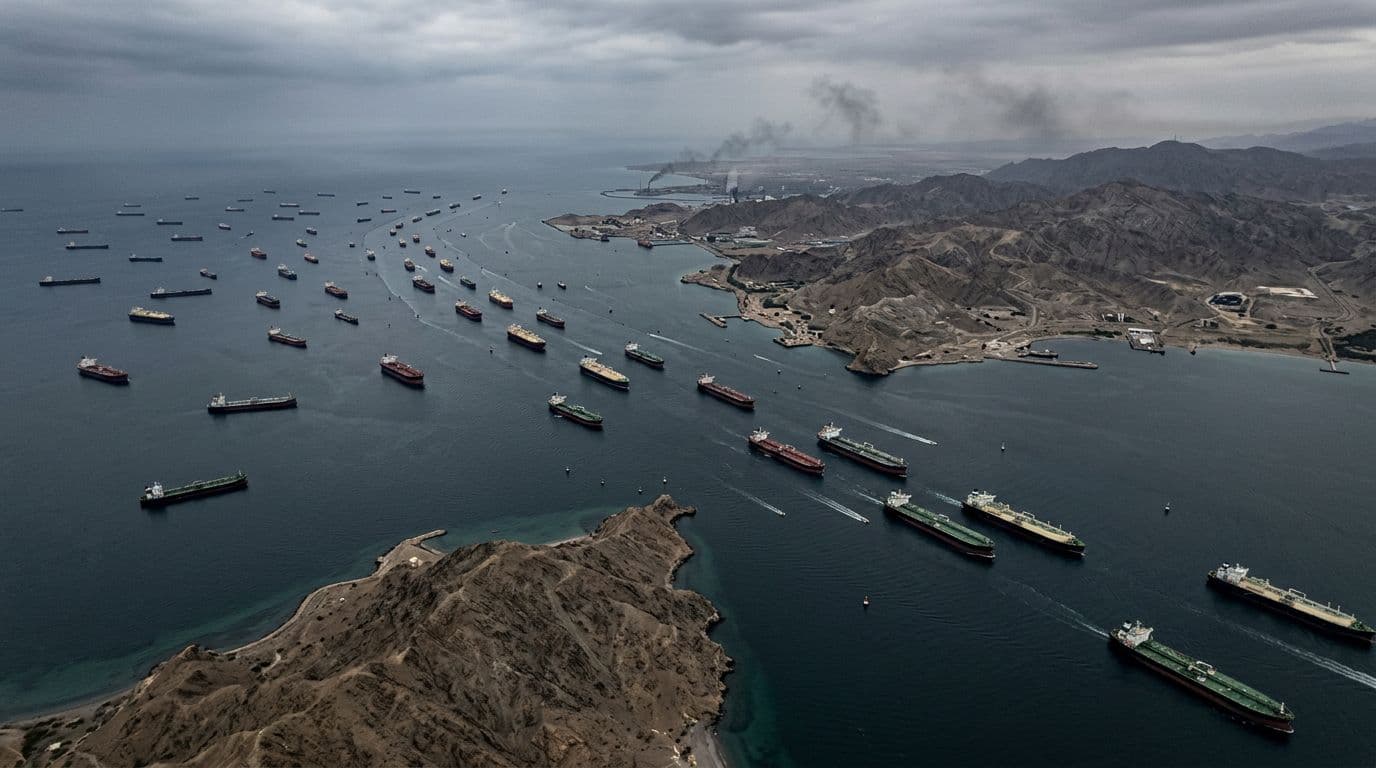 Energy shipping chokepoints can quickly change market mood, created with AI.
The chain reaction is simple. First, conflict risk raises concern about key routes like the Strait of Hormuz. Next, traders price in possible disruption to oil and LNG cargoes. Then oil and gas prices jump. After that, Europe faces a tougher inflation picture, which can squeeze consumers and company margins at the same time. Finally, investors worry that interest rates stay higher than expected, and stock valuations compress.
Energy is the pressure point: LNG disruption and gas prices
Europe is sensitive to LNG headlines because it has fewer easy substitutes when supply tightens. Today, natural gas pricing reflected that stress, with European benchmark TTF gas jumping into the mid-€40s per MWh range in reports tied to supply worries. Even without an actual cutoff, fear alone can lift prices fast, and that can filter into household bills and factory costs.
Rates and growth worries: how energy shocks can change ECB expectations
Higher energy costs can re-ignite inflation just as growth cools. That's why investors watch the European Central Bank (ECB) so closely. Markets may still see limited odds of new hikes later this year, but a string of hot energy headlines can trigger short-term selling anyway.
What investors can do next, without panic selling
Days like this tempt people to hit "sell" just to feel in control. Instead, match actions to your time horizon. If you'll need cash soon, keep more liquidity. If you're investing for years, check diversification, especially across regions and sectors, and avoid making big changes off one scary session. Past flareups often caused fast drops that eased once energy flows looked steadier.
A simple checklist to watch over the next few days
- Strait of Hormuz updates: shipping safety, insurance costs, and rerouting signals.
- European gas prices (TTF): a quick read on stress in the system.
- Oil moves: sharp spikes can hit inflation expectations fast.
- DE40 technical levels: many traders watch the 200-day average as a common support gauge.
- ECB comments: even small hints can move rate bets, as summarized in CNBC's live coverage of the market reaction.
Conclusion
European stocks dropped because investors saw a clear risk path: conflict headlines can threaten energy supply, lift inflation fears, and pressure profits while rate expectations shift. The move felt sudden, but the logic is straightforward. Focus on energy flow signals over drama, and avoid making portfolio decisions based on one rough day. If tensions cool and supply stays steady, today's fear can fade just as quickly.