Dubai Crypto Regulator Orders KuCoin to Stop Operating Without a License
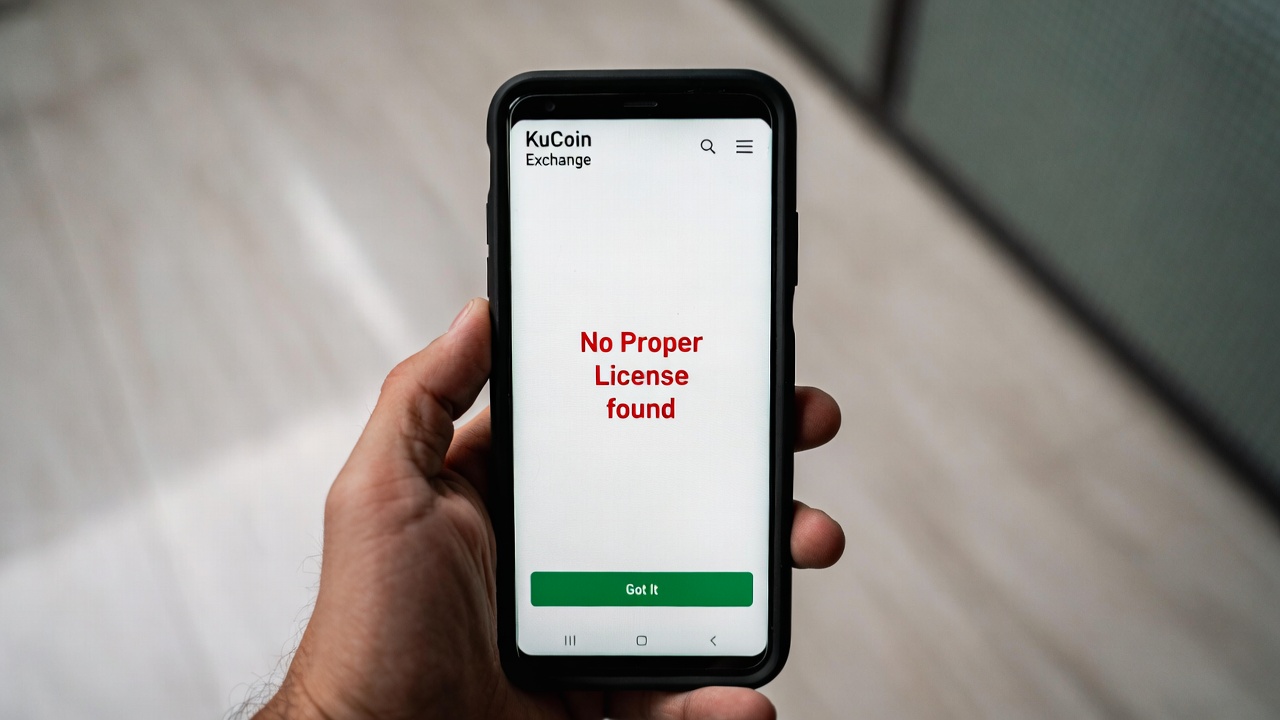
On March 5, 2026, Dubai's Virtual Assets Regulatory Authority (VARA) issued a cease-and-desist order telling the Seychelles-based global crypto platform KuCoin, a major cryptocurrency exchange, and linked entities to stop all virtual asset activity in Dubai for operating without the required license
Dubai Crypto Regulator Orders KuCoin to Stop Operating Without a License
Dubai markets itself as friendly to digital assets, but it doesn't tolerate unlicensed activity by platforms like KuCoin. On March 5, 2026, Dubai's Virtual Assets Regulatory Authority (VARA) issued a cease-and-desist order telling the Seychelles-based global crypto platform KuCoin, a major cryptocurrency exchange, and linked entities to stop all virtual asset activity in Dubai for operating without the required license.
The main takeaway is simple: Dubai welcomes virtual asset firms, but only under strict licensing and marketing rules. Below is what the order covers, what Dubai users should do now, and what this signals for other exchanges eyeing the UAE.
What VARA ordered KuCoin to do, and which companies were named
VARA's cease-and-desist order means the named parties must immediately stop offering, promoting, or carrying out virtual asset services in or from Dubai. That includes spot trading, futures trading, and margin trading marketed to Dubai residents and run through activities tied to Dubai, even if the KuCoin business is based elsewhere. It is not framed as a global shutdown of KuCoin's platform.
The notice lists multiple entities linked to KuCoin's operations: Phoenixfin Pte Ltd, MEK Global Limited, Peken Global Limited, and KuCoin Exchange EU GmbH. Reporting on the order indicates VARA also warned residents to stop using the platform right away, pointing to consumer and legal risks tied to unlicensed providers (see the CoinDesk report on VARA's KuCoin order).
Why VARA says KuCoin was in violation
KuCoin, led by CEO Johnny Lyu, faced VARA's stated concerns that were straightforward: providing virtual asset services without a VARA license, promoting products without approval, failing to meet compliance standards, and making claims that could mislead users about being licensed in Dubai. The order highlighted high-risk trading products involving leverage as part of the restricted activities.
The rules behind the decision, Dubai's crypto framework in 2026
Dubai's model is permissive, but supervised. VARA regulates virtual asset activities in Dubai outside the DIFC, and it expects firms like kucoin to get licensed before they solicit or serve Dubai residents. The legal foundation often cited in this context includes Dubai Law No. 4 of 2022, which covers the breadth of activities from initial coin offerings to trading, and UAE Cabinet Resolution No. 111/2022, which tackles risks like money laundering and sets licensing and approval expectations for virtual asset services classified as money transmitting businesses and related promotions.
In 2026, VARA's posture also looks tighter on areas that raise consumer-risk flags, including market manipulation. That includes closer scrutiny of how tokens are marketed, added caution around anonymity-enhancing tools, and higher expectations for stablecoin-related disclosures. VARA has also shown it will escalate enforcement when firms like kucoin advertise or operate without authorization, following a pattern of fines and warnings seen in 2025.
What this shows about Dubai's approach to crypto firms
Dubai is not "anti-crypto." Instead, it is pro-rules. Regulators want clear accountability, controlled marketing, and consumer protection in the blockchain technology ecosystem, and platforms like kucoin must follow suit. Other regional regulators often take cues from UAE enforcement moves.
What KuCoin users in Dubai should do right now
First, stop using any platform like KuCoin that lacks local authorization for Dubai-facing services. Next, confirm what is approved by checking VARA's public updates, including the VARA regulatory notices and registry page. Look for alternative platforms with proof of reserves. If you decide to move assets from KuCoin, proceed carefully: verify withdrawal options inside your account for bitcoin, ethereum, or BTC; confirm addresses; and keep proof of balances and transaction history.
Be alert for scams, including potential security breaches. News events like this often trigger phishing emails, fake support accounts, and risks to trading bots. As of March 6, 2026, public reporting indicated KuCoin had not issued an official response, so rely on VARA notices and verified KuCoin channels for updates.
An investor reviewing account access after regulatory news, created with AI.
Risk warning: A quick checklist to reduce risk during a forced shutdown
- Verify licensing before placing trades or deposits tied to Dubai on KuCoin.
- Confirm withdrawals work for bitcoin, BTC, or KuCoin shares, and note any limits or delays.
- Secure assets by transferring to a web3 wallet or cold wallet instead of leaving in hot wallets.
- Avoid urgent links sent by email, SMS, or social accounts.
- Test a small transfer of BTC or bitcoin before moving larger balances; safeguard private keys.
- Document everything, including timestamps, balances, and TXIDs.
- Report suspicious messages through official VARA channels.
Treat licensing like a safety filter, not paperwork.
Conclusion
VARA's order against KuCoin underscores a clear message: Dubai's crypto market for digital assets is open, but only for licensed players offering services like wealth management that follow local conduct and promotion rules. For users, the practical lesson is to check authorization before trusting access, ads, or "regulated" claims from platforms like KuCoin. Next, KuCoin either pursues proper approval for Dubai-facing activity or exits the market. Other exchanges should review their Dubai targeting now, before VARA does. This article provides general information only and is not financial advice; always seek professional guidance for your situation.