Canaan Acquires Cipher's 49% in TX Mining for $39.75M
Canaan buys Cipher’s 49% of West Texas mining venture for $39.75 million in stock, boosting its crypto mining capabilities amidst strategic industry shifts.
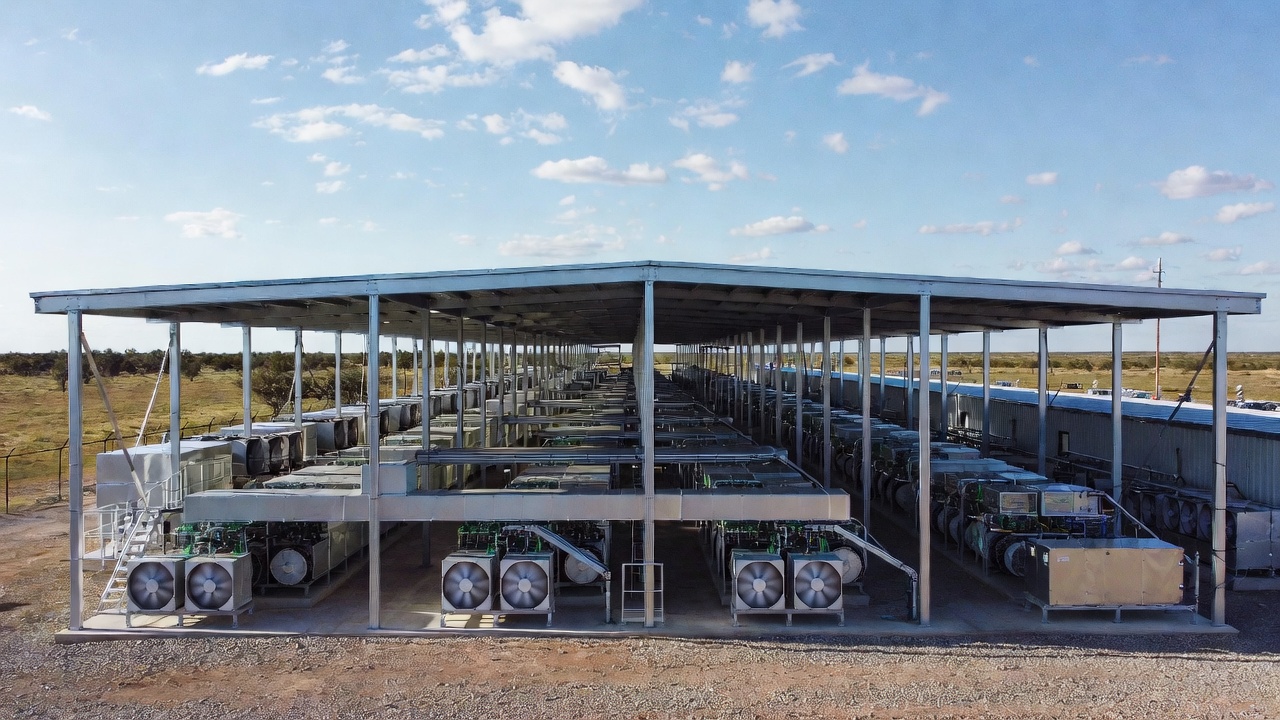
Canaan Inc. Purchases Cipher’s 49% Interest in West Texas Mining Project in $39.75M Stock Deal
In the world of Bitcoin, a nearly $40 million deal just changed hands—but not a single dollar was spent. Canaan Inc., a builder of specialized computers for mining Bitcoin, just took full ownership of a massive project from its partner, Cipher Mining, in a move that signals a major industry shift.
Instead of cash, Canaan paid Cipher with shares of its own company stock. This purchase gives Canaan complete control over a sprawling crypto mining facility—essentially a digital factory—located deep in West Texas. This region's unique energy profile, according to industry data, is turning it into a global hub for these operations. Why would a company pay with its own shares? What exactly are they buying in the Texas desert, and what does this deal reveal about the future of digital money?
Meet the Players: The Shovel-Maker and the Digital Gold-Miner
This deal is best understood through the lens of a modern-day gold rush, with two companies playing very different but connected roles. Canaan Inc. is the "shovel-maker" in this story. It’s one of the world's biggest manufacturers of the powerful, specialized computers built for one purpose: mining Bitcoin. They design and sell the essential hardware that makes the entire industry run. Cipher Mining, on the other hand, is the "digital gold-miner." They buy these machines by the thousands and operate them in huge facilities to earn new Bitcoin. Before this deal, they were partners in one such operation.
What Exactly Is a "Bitcoin Mining Venture" in West Texas?
So, what did Canaan and Cipher own together? Imagine a massive, modern warehouse sitting in the open Texas landscape. This is a Bitcoin mining facility, a key piece of the new West Texas cryptocurrency infrastructure housing thousands of powerful computers. Before this deal, this digital factory was a joint venture—like two people co-owning a rental property, sharing the costs and splitting the profits.
Inside that facility, computers work around the clock with one goal: solving complex digital puzzles. Each time a puzzle is solved, a reward is paid out in new Bitcoin. It’s a race that requires immense electrical power, which is central to the appeal of these mining opportunities.

The Surprising Reason Bitcoin's Biggest Players Are Flocking to Texas
The choice of Texas comes down to one massive expense: electricity. Running thousands of powerful computers day and night uses a staggering amount of power, making energy the single largest operating cost for any mining company. To turn a profit, these companies must find the cheapest electricity on the planet.
This is where the West Texas cryptocurrency infrastructure finds its advantage. As an energy capital, Texas often has an abundance of power from wind farms and natural gas plants. That surplus can translate into some of the most competitive electricity prices available, giving miners a critical edge in a business where every fraction of a cent counts. This modern digital gold rush is fueled by old-school energy economics, driving major mining investment in the state.
Decoding the Deal: Why Canaan Paid with Stock, Not Dollars
Instead of wiring nearly $40 million, Canaan used its own company stock. This allows Canaan to acquire the mining facility stake without draining its cash reserves, which are vital for funding daily operations and future projects. This is a key reason why an all-stock acquisition can be so appealing.
By accepting Canaan's shares, Cipher is trading its portion of the facility for an ownership slice of Canaan itself. This move shows Cipher is betting on the future success of its key equipment supplier, turning a partnership into a direct investment and aligning their interests even more closely. While these stock-for-asset deals happen across all industries, this one signals a major change for Canaan. It's a clear move showing the company doesn't just want to sell the shovels—it wants to do some of the digging, too.
From Shovel-Seller to Gold-Miner: Canaan's Big Strategic Shift
This deal signals a fundamental change in Canaan’s strategy. By taking full ownership of the Texas facility, it’s picking up a shovel to do some digging itself. This is a classic business move called vertical integration. Think of a successful pizza chain deciding to buy the tomato farm that supplies its sauce. By owning the mine, Canaan now controls both the creation of its machines and an operation that uses them, giving it more control and a new revenue stream.
This is a powerful vote of confidence. Canaan is betting directly on its own technology to mine for profit, a clear sign of a maturing business.
Why Would Cipher Sell Its Stake in a Profitable Project?
Selling a slice of a promising venture is a strategic move for Cipher. Running a massive mining facility involves significant hands-on work and risk, from managing fluctuating energy prices to maintaining thousands of computers. By selling its share, Cipher is stepping away from the direct operational headaches of this specific site.
In exchange for its part of the physical mine, Cipher received a financial asset: stock in Canaan. Like a bakery owner trading one oven for a slice of ownership in the company that manufactures all ovens, they are trading a hands-on tool for a stake in the toolmaker's broader success. This deal shifts Cipher’s strategy toward holding an investment tied to the health of its key supplier, betting on the entire mining equipment industry to grow.
What This Texas Deal Tells Us About the Future of Crypto
A multi-million-dollar stock deal for a Texas crypto mine reveals a clear business story: the company that builds the "digital shovels" has bought the rest of the mine. This move signals a maturing industry, one that is shifting from simply selling tools to making long-term investments in the operations themselves. The transaction underscores how the digital frontier is building permanent settlements, driven by the same blueprints as any other major industry. It highlights a future where success in crypto mining depends not just on technology, but on strategic finance, vertical integration, and the relentless pursuit of low-cost energy.