BTC Price Slides Toward $70,000 Ahead of U.S. Jobs Report
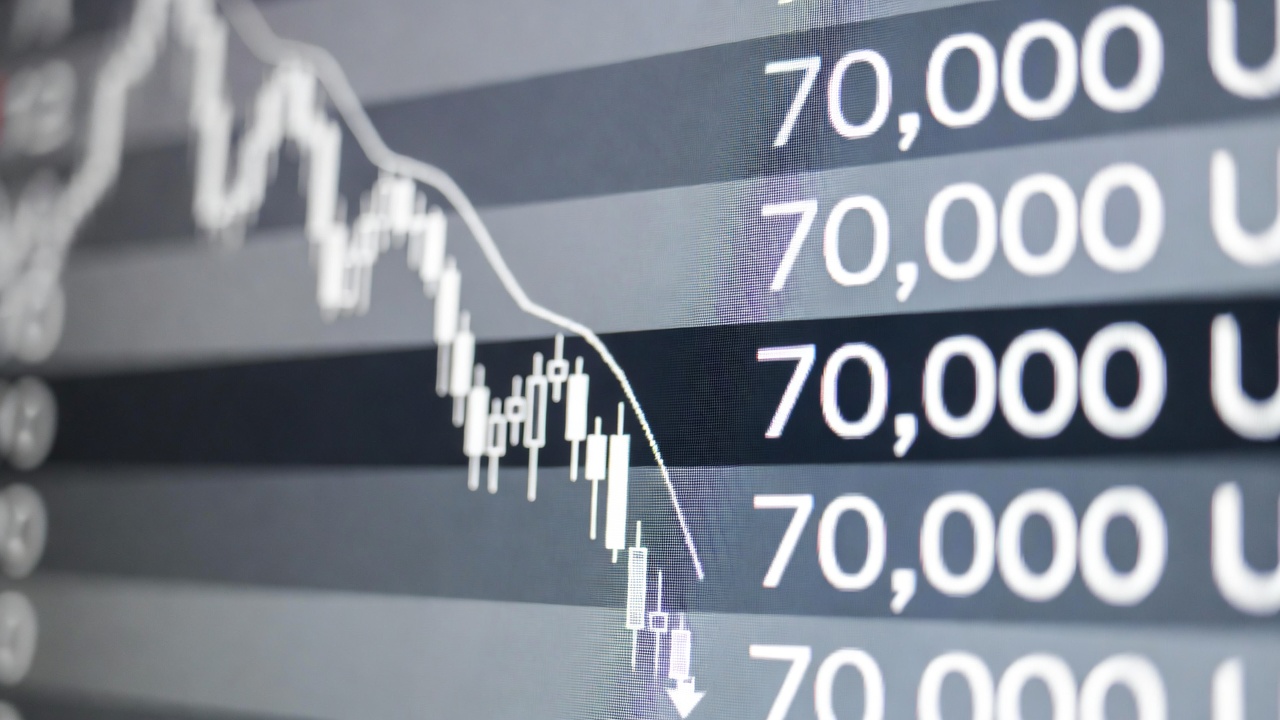
The Bitcoin price chart sets the stage for Bitcoin, a leading cryptocurrency that has shown choppy Bitcoin dynamics all week, with the bitcoin price drifting back toward the low $70,000s after a brief bounce.
BTC Price Slides Toward $70,000 Ahead of U.S. Jobs Report
The Bitcoin price chart sets the stage for Bitcoin, a leading cryptocurrency that has shown choppy Bitcoin dynamics all week, with the bitcoin price drifting back toward the low $70,000s after a brief bounce. That $70,000 mark on BTCUSD matters because it's a round number that often changes trader behavior.
The next near-term catalyst is the U.S. non-farm payrolls release on March 6, 2026 at 8:30 a.m. ET. Markets often move first, then explain why later. With bitcoin near a key level, even a small surprise in the data can cause a fast swing.
What the latest move says about bitcoin price right now
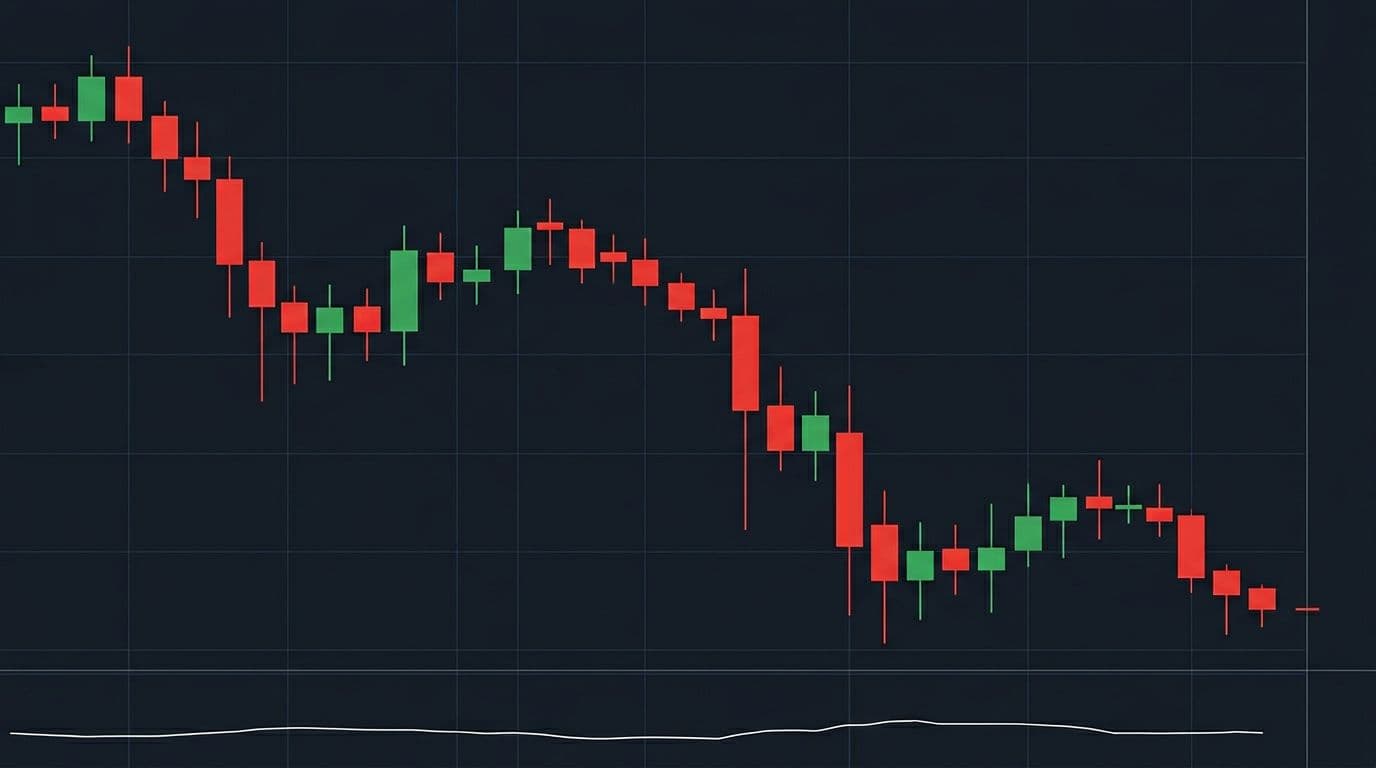
An AI-created chart style view of bitcoin sliding from the low $70,000s toward the upper $60,000s.
After a rebound with solid BTC trading volume on crypto exchanges like Bitfinex, the BTC price traded around $71,680 on BTCUSD on March 4, but it still sat well below last month's highs and the all-time high. Since late 2025, the broader crypto market tone has been weak, and February saw a sharp drop before buyers stepped back in. That kind of snapback, backed by elevated trading volume, can reflect real demand, but it can also be short covering when bearish positions rush to exit.
A "test" of $70,000 is simple: price approaches that level and traders watch whether it holds. Round numbers attract attention, so orders often cluster there, while crossing it can shift market capitalization perceptions and fully diluted market cap valuations. If price stays above it, confidence can improve for a while. If it slips below, sentiment can sour quickly, even if the move is small. For additional context on today's slide and the macro backdrop, see this market update on bitcoin moving toward $70,000.
Technical analysis key levels traders watch: support near $62,300 and resistance around $72,000
Support is a zone where buying has tended to show up, while resistance is where selling often appears. Near $62,300, some traders expect buyers to defend, so a drop through it can trigger stop losses and quick selling. Around $72,000, a clean break can pull in new buyers who were waiting for strength. These levels matter more ahead of major news because volatility rises and price can jump past orders.
Why sudden pops can happen even in a weak trend
Quick rallies can happen when shorts get squeezed, especially if funding rates turn negative and traders lean too bearish. Large holders can also buy into thin liquidity, which lifts price fast. Still, a sharp pop doesn't mean the downtrend is finished.
How the U.S. jobs report can push Bitcoin up or down within minutes

An AI-created scene of a trader watching markets ahead of the U.S. jobs report.
Jobs data often shifts inflation worries. That can move expectations for Federal Reserve policy, which then affects Treasury yields and the U.S. dollar. When yields and the dollar rise, risk assets often cool off, and cryptocurrency like BTCUSD can follow with heightened volatility and surging trading volume. When yields fall and rate-cut hopes grow, traders may take more risk, which can lift bitcoin within the broader financial system. This asset class sees macro demand shifts, including from US Bitcoin Spot ETFs. The first reaction is not always the final one, because markets re-price once more details hit the tape.
If jobs data comes in strong: higher yields, firmer dollar, and pressure on risk assets
A strong payrolls number can push yields higher, and the dollar can firm at the same time. That mix often weighs on the BTC price in the first wave, alongside Bitcoin outflows from Bitcoin Spot ETFs. Even so, the move can fade quickly once traders check revisions and wage data.
If jobs data comes in weak: rate-cut bets can lift crypto, but recession fears can limit gains
A softer report can boost rate-cut expectations, which may support crypto assets. On the other hand, very weak data can raise growth fears, and that can curb any rally. Past releases have shown mixed, headline-driven moves, as covered in reporting on bitcoin's reaction to major U.S. jobs data.
Bitcoin trading ideas: A practical checklist for the next 24 hours, without making risky bets
Plan for volatility around 8:30 a.m. ET, and expect wider spreads right after the headline. If you trade BTCUSD, consider smaller size than usual, because fast candles can hit exits before you can react. Limit orders can help avoid surprise fills when liquidity thins; check technical ratings as a tool before entering.
Most importantly, define your exit point before you enter. Also watch for a "fakeout," where the first move reverses within minutes. Long-term holders of the digital coin can ignore the noise and focus on their time horizon, not the morning's BTC price print.
Conclusion
The BTCUSD Bitcoin price sits near a psychological level, and the jobs report can trigger sharp price movements quickly. The most useful approach is to watch how price reacts after the first spike, especially near $72,000 overhead and $62,300 below. For long-term value, consider Bitcoin's market capitalization alongside its circulating supply, total supply, and max supply. If emotions run hot, step back and follow a plan instead of the crowd. In volatile hours, patience often beats speed in the crypto market.