Bitcoin Under $70K: 7 Common Triggers Behind a Fast Drop (Rates, Dollar, Liquidity, News)
It starts like a normal day. Then your phone buzzes twice, spreads widen, and a clean green BTC USD chart turns into a sharp red candle. The timeline fills up with theories, screenshots, and panic.
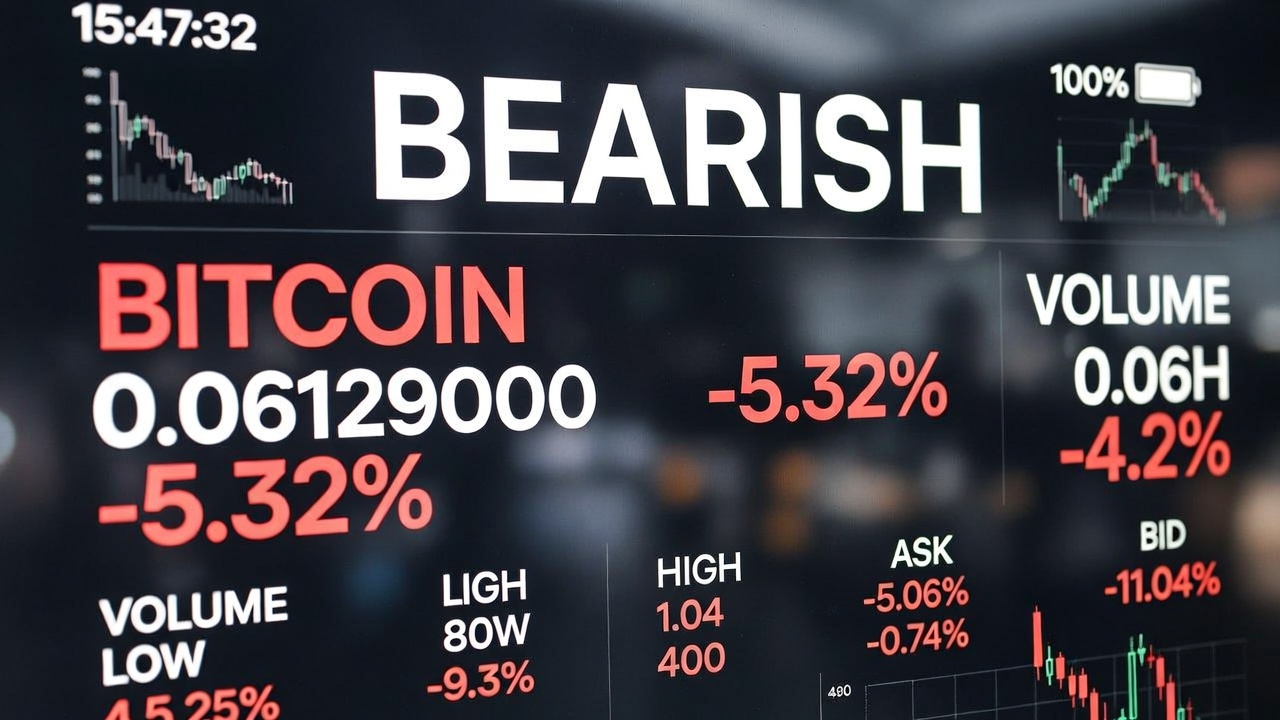
When the bitcoin price slips under a level like $70K, near its all-time high, it can feel sudden and personal, like the floor moved. A plunge for this digital asset below $70K slices into its market capitalization and rattles the broader market. Most of the time, it’s not one thing. It’s a stack of triggers that hit demand and supply at the same time, then feed on each other during a bull market.
Below are the seven most common reasons bitcoin drops fast, explained in plain English, plus what to watch in real time so you can read the move instead of reacting to noise.
The 7 triggers that can knock the bitcoin price down fast
Rates jump, and risk assets get repriced
When Treasury yields rise quickly, “safe” returns start to look better. That changes the math for anything seen as risky, including crypto, while even the gold price holds firmer as a traditional safe haven. A hot inflation print, a strong jobs report, or hawkish Fed talk can push yields up in minutes.
The chain reaction is familiar: bonds sell off (yields up), stocks wobble, and crypto gets hit as traders cut exposure. If bitcoin was already stretched, the drop can be abrupt.
What to watch: the 2-year and 10-year Treasury yields, Fed meeting days, and the CPI and jobs calendar.
The US dollar strengthens, and liquidity gets pulled back
Think of the dollar like pressure in a hose. When the dollar rises, dollars can feel “tighter” worldwide. A climbing DXY often lines up with a risk-off mood, and it can cool demand for bitcoin, especially outside the US where buying power gets squeezed.
A stronger dollar can also raise financing stress across markets, including for corporate bitcoin treasuries. That reduces appetite for speculative bets, and the bitcoin price can sag even without a big crypto headline.
What to watch: the DXY trend, sharp FX moves after macro data, and whether the dollar jump is steady or spiky.
Liquidity dries up, and small sells become big drops
Liquidity is simple: how easily you can trade without moving the price. When order books thin out on a cryptocurrency exchange, even “normal” selling can punch a hole in the chart due to shifts in circulating supply. This shows up a lot off-hours, on weekends, or during a quiet stretch when market makers step back.
Low liquidity also makes every other trigger worse. Bad news plus thin books can turn a dip into a slide, because bids aren’t there to absorb market sells.
What to watch: widening spreads, shallow market depth, trading volume, stablecoin flows, and exchange balance changes.
Forced selling: liquidations, margin calls, and large hedges hitting the tape
Fast drops often have a mechanical feel. That’s forced selling. When too many traders are long with borrowed funds, a small move down can trigger liquidations, which creates more selling, which triggers more liquidations. It’s like a line of dominoes that only falls one way.
You’ll often see it near a key level. Funding in perpetual futures can flip fast, open interest can unwind, and big market orders can appear as positions get closed out. At the same time, miners facing higher mining difficulty or hash rate drops after a bitcoin halving may add hedges during weakness, which adds supply when bids are already thin.
What to watch: liquidation prints, funding rates, open interest, and large blocks hitting exchanges.
Bad news shocks, plus the “headline gap” problem
Some stories hit like a door slamming. Exchange issues, hacks, lawsuits, surprise ETF flow headlines, harsh regulatory statements, or sudden war and risk-off news can all trigger a rush to reduce exposure. For example, Coinbase service disruptions or announcements often amplify the reaction.
Crypto trades 24/7, so the market can react before details are confirmed. That creates a “headline gap,” price moves first, clarity comes later. In that window, rumors can move the bitcoin price as much as facts.
What to watch: official sources and direct statements, not cropped screenshots. Confirm before you act.
ETF and fund flows flip from a tailwind to a headwind
Spot bitcoin ETF flows can matter because they translate into real buying or selling pressure from institutional investors. When inflows are strong, they can support dips. When net outflows hit from funds like BlackRock IBIT, they can create steady selling during US market hours, day after day.
Flows can also change fast after a few ugly sessions. If broader markets turn cautious, funds may reduce exposure across the board, and bitcoin can get caught in that wash.
What to watch: daily net flows, multi-day outflow streaks, and whether flows line up with the day’s price action.
A key chart level breaks, and the crowd rushes the same exit
Psychological levels matter because humans notice them. $70K isn’t magic, but it’s a psychological level where orders cluster, often aligning with technical analysis signals like a moving average or realized price. When support breaks, stop-losses trigger, short sellers press, and buyers step back to see where the fall ends.
You’ll often see a pause, then a sudden slice through the level, then either a quick bounce or a continued drop if bids vanish. The cleanest signal isn’t the break itself, it’s what happens after the first retest.
What to watch: volume on the break, failed retests, and whether the move happens with or without a macro headline.
How these triggers stack up into a sudden cascade
The scariest drops usually mix three ingredients: macro pressure (rates or dollar), thin liquidity, and crowded positioning (as measured by the MVRV ratio). Any one of them can bruise the chart. Together, they can snap it.
This is why a move can look calm for hours, then fall in ten minutes. It’s not always “manipulation.” Often, it’s a market that got too one-sided, then met the wrong headline at the wrong time. These sharp drops signal short-term turbulence, not the onset of a bear phase amid longer-term uptrends.
A common chain reaction: hot data, higher yields, strong dollar, then liquidations
Here’s a typical play-by-play. CPI comes in hotter than expected. Treasury yields jump. The dollar firms up as traders price in tighter policy. Stocks fade.
Bitcoin drifts down with the broader risk move and taps a well-watched support level. Stops trigger. Liquidations hit futures markets. Spreads widen as traders step aside. The bitcoin price drops faster than the original news justified, because forced selling takes over.
Why weekends and low-volume hours can turn a dip into a drop
Weekends can feel like driving on a dark road with fewer streetlights. Fewer big players are active, order books are thinner given Bitcoin's fixed max supply, and it takes less volume to push price through multiple levels.
One large market sell can sweep bids and print a sharp candle. By the time US traders are fully awake, the move may already be done, and the conversation shifts from “why did it dip?” to “where’s support now?”
A quick dashboard to watch when bitcoin is wobbling near $70K
You don’t need fancy tools to stay oriented. You need a few gauges and the discipline to check them before you trust the first narrative you see.
When the bitcoin price is hovering near a key level, the goal isn’t to predict every tick. It’s to understand what kind of drop you’re watching: macro repricing, thin-liquidity air pocket, forced selling, or a real news shock.
The 5-minute checklist: yields, DXY, liquidity, margin heat, and news quality
-
10-year yield direction: Rising fast can pressure risk assets across the board.
-
DXY direction: A climbing dollar often signals tighter conditions globally.
-
Spreads and market depth on btc usd: Wider spreads and thin books mean moves can exaggerate.
-
Funding and open interest: Crowded futures plus negative momentum and spot bitcoin etf outflows can unwind hard.
-
News quality: Confirm with primary sources, don’t trade a viral screenshot.
One extra check helps: watch the reaction. If bad news hits and price can’t fall further, that tells you something.
Common mistakes people make during fast drops (and safer ways to think)
Fast candles trigger fast decisions. That’s where errors compound.
-
Panic-selling into the wick: Waiting for a close or a retest can reduce rash exits.
-
Chasing shorts late: After forced selling, bounces can be violent and quick.
-
Trusting the loudest post: Treat unverified claims as noise until confirmed.
-
Ignoring margin risk: Smaller position sizing and clear rules matter most in chaos.
Volatility is part of crypto. The goal is to avoid letting it set your rules for you.
Bitcoin falling under $70K can come from rates, the dollar, thin liquidity, forced selling, bad news, ETF outflows, or a broken chart level, and the fastest drops usually combine several at once. Keep your eyes on the macro gauges, watch liquidity, respect borrowed-risk in derivatives, and verify headlines before you react. Next time the bitcoin price flirts with a big round number, use the checklist and let the market show its hand first.