Bitcoin Halving: Impact and Predictions
Explore the significance of Bitcoin halving and its impact on BTC prices and scarcity. Understand its history and what to expect in the next Bitcoin halving in 2024.
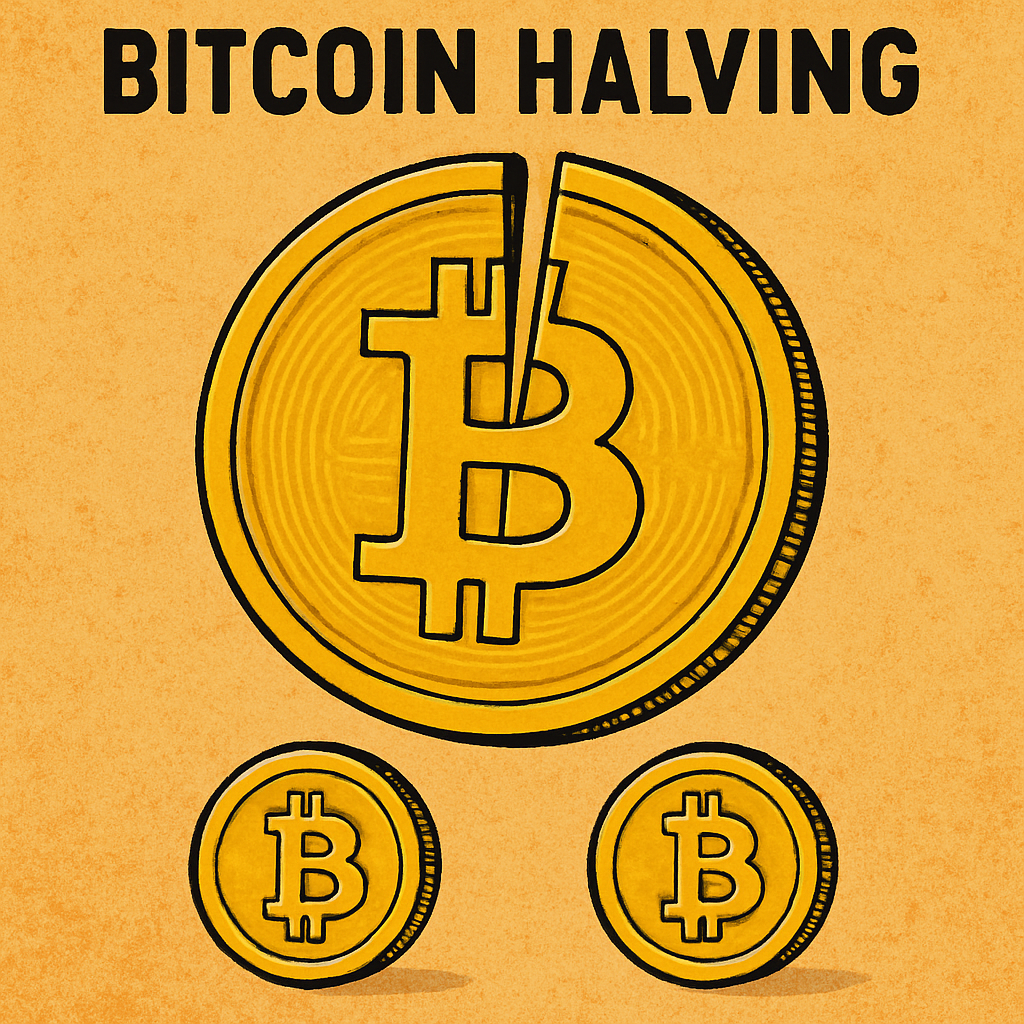
Bitcoin Halving
Bitcoin halving is a significant event in the cryptocurrency world. As a cornerstone of Bitcoin's economic model, it plays a vital role in shaping the future of the digital currency. For those new to the concept or curious about its implications, this guide will break down everything you need to know about Bitcoin halving, its history, and its impact on Bitcoin's price. Understanding this event is crucial for investors, miners, and anyone interested in the cryptocurrency's ecosystem.

To put it simply, Bitcoin halving reduces the rate at which new Bitcoins are created, effectively lowering the supply of new Bitcoins entering the market. This mechanism not only keeps inflation in check but also increases the asset's scarcity, potentially enhancing its value over time. As Bitcoin's supply decreases, its demand often rises, making each halving a highly anticipated event in the crypto community.
History of Bitcoin Halving
Bitcoin's history is marked by several halvings, each of which has had significant implications for the cryptocurrency market. These events have not only influenced Bitcoin's price but have also sparked widespread discussion and analysis among investors and analysts. Let's explore the past events:
The First Halving: 2012
The first Bitcoin halving occurred on November 28, 2012. Before this, miners received 50 BTC per block. Post-halving, the reward was reduced to 25 BTC. This event marked the beginning of Bitcoin's controlled supply reduction. It was a pivotal moment that demonstrated the efficacy of Bitcoin's built-in scarcity mechanism.
The first halving is often credited with initiating Bitcoin's transition from a niche digital currency to a more mainstream financial asset. As the supply of new Bitcoins decreased, the price began to rise, attracting the attention of more investors and media coverage. This event laid the groundwork for future halvings and set the stage for Bitcoin's growth.
The Second Halving: 2016

Following the second halving, Bitcoin's price experienced a substantial increase, eventually leading to the infamous bull run of 2017. This period saw Bitcoin reaching all-time highs and cementing its status as a leading cryptocurrency. The success of the second halving further fueled the narrative of Bitcoin as a store of value akin to digital gold.
The Third Halving: 2020
The third halving happened on May 11, 2020. The reward for mining a block decreased to 6.25 BTC. This halving occurred amidst growing interest in cryptocurrencies and was followed by a significant bull run in Bitcoin's price. The event took place during a period of heightened global economic uncertainty, which may have contributed to Bitcoin's appeal as a hedge against inflation.
The 2020 halving was marked by unprecedented institutional interest, with major financial entities and corporations starting to allocate assets into Bitcoin. This influx of institutional capital further amplified the price surge, pushing Bitcoin to new heights and solidifying its role as a formidable asset class.
The Fourth Halving: 2024 (Upcoming)
The next Bitcoin halving is expected to occur in 2024, where the block reward will drop to 3.125 BTC. While the exact date isn't determined yet, the anticipation surrounding this event is already building. Analysts and investors are speculating about its potential impacts on the market and the broader implications for Bitcoin's adoption and use case as a global currency.
As we approach the 2024 halving, discussions around Bitcoin's future sustainability, environmental impact, and potential regulatory challenges are gaining traction. This halving will be closely observed, not only for its effect on Bitcoin's price but also for its influence on the cryptocurrency's evolving narrative as a decentralized and deflationary digital asset.
When Does Bitcoin Halve?
Bitcoin halves approximately every four years. The specific date can vary due to the decentralized nature of Bitcoin's network, which results in varying block production times. However, you can track the estimated date based on block numbers and network activity. Websites and tools dedicated to monitoring Bitcoin's blockchain provide real-time updates and countdowns to the next halving.
The decentralized and autonomous nature of Bitcoin means that no single entity controls the halving process. Instead, it is governed by the underlying code and the collective actions of miners across the globe. This decentralized governance model ensures that Bitcoin remains resistant to centralized manipulation and maintains its integrity as a decentralized currency.
Impact on Bitcoin Price
One of the most discussed aspects of Bitcoin halving is its impact on the price of Bitcoin. Historically, halvings have been followed by price increases, as the reduced supply creates scarcity, driving demand and pushing prices up. This price appreciation often attracts new investors, contributing to heightened market activity and speculative trading.
Will Bitcoin Go Up After Halving?
The past halvings have shown a trend of increasing prices post-halving. However, it's essential to note that past performance does not guarantee future results. While many believe that Bitcoin's price will rise after the halving, it's crucial to consider other market factors that could influence the price. Macroeconomic conditions, regulatory developments, and technological advancements all play a role in shaping Bitcoin's market trajectory.
While historical patterns suggest a positive correlation between halvings and price increases, the cryptocurrency market is inherently volatile and unpredictable. Investors should exercise caution and conduct thorough research before making investment decisions based on halving events. Diversification and risk management remain key components of a sound investment strategy in the crypto space.
Bitcoin Halving Chart

A Bitcoin halving chart visually represents the historical price trends and halvings. It showcases how each halving event has impacted Bitcoin's price over time, offering valuable insights for investors and enthusiasts. By analyzing these charts, one can observe patterns and correlations between halvings and market cycles, aiding in future investment planning.
These charts often highlight the cyclical nature of Bitcoin's market behavior, with periods of rapid price appreciation followed by corrections and consolidation. Understanding these cycles can provide a strategic advantage for investors looking to capitalize on market movements while mitigating risks associated with volatility.
Why is Bitcoin Halving Important?
Bitcoin halving is vital for several reasons:
- Scarcity: By reducing the block rewards, Bitcoin halving ensures a finite supply, making Bitcoin a deflationary asset. This scarcity can enhance Bitcoin's value proposition as a store of value. As the supply diminishes, Bitcoin becomes increasingly rare, potentially driving up its demand and value.
- Predictability: The halving schedule is pre-determined and transparent, allowing investors and miners to plan accordingly. This predictability instills confidence in Bitcoin's economic model, making it an attractive asset for long-term investment strategies. Knowing when halvings will occur helps stakeholders prepare for potential market fluctuations and adjust their operations or portfolios accordingly.
- Incentives for Miners: Despite the reduced rewards, halvings incentivize miners to continue securing the network as Bitcoin's value potentially increases. Miners play a crucial role in maintaining the blockchain's integrity, and the prospect of higher Bitcoin prices post-halving can offset the decreased block rewards, ensuring continued network security and functionality.
What Happens When Bitcoin Halves?
When Bitcoin halves, several things occur:
- Reduced Mining Rewards: Miners receive half the BTC for the same amount of work, impacting their profitability. This reduction can lead to shifts in the mining landscape, with some less efficient operations potentially exiting the market, while others adapt and optimize their processes to remain competitive.
- Potential Price Increase: As the supply of new Bitcoins decreases, scarcity can drive up prices if demand remains constant or increases. The anticipation of a price increase often leads to speculative buying, contributing to heightened market activity and potential volatility in the lead-up to and aftermath of the halving.
- Network Adjustments: Miners may adjust their operations based on profitability, possibly leading to changes in network dynamics. This can include technological upgrades, shifts in mining power distribution, and alterations in transaction fees, all of which can impact the overall functioning of the Bitcoin network.
Challenges and Considerations
Bitcoin halving isn't without challenges:
- Mining Profitability: Reduced rewards can strain miners, particularly those with higher operational costs. This can result in a concentration of mining power among more efficient operations, potentially affecting the decentralization of the network and raising concerns about centralization risks.
- Market Volatility: The anticipation of a halving can lead to increased market volatility as investors speculate on price movements. This volatility can create opportunities for profit but also poses risks for those unprepared for rapid price swings. Managing these risks requires a careful approach to trading and investment, emphasizing the importance of informed decision-making.
Conclusion
Bitcoin halving is a pivotal event in the cryptocurrency ecosystem, influencing supply, demand, and price dynamics. While the exact outcomes of each halving can vary, understanding this mechanism is crucial for anyone interested in Bitcoin and its future. As an event deeply embedded in Bitcoin's protocol, halving serves as a reminder of the cryptocurrency's unique economic model and its potential to reshape the financial landscape.
As we approach the next Bitcoin halving in 2024, investors, miners, and enthusiasts alike will be watching closely to see how this event unfolds and impacts the broader crypto market. Whether you're a seasoned investor or a curious newcomer, keeping an eye on Bitcoin halving is essential to understanding the cryptocurrency landscape. Staying informed about halving events and their implications can provide valuable insights into Bitcoin's role in the evolving digital economy.